
Categories We Provide
- Home
- Blog
Explore expert guidance on Gulf, Europe, and Russia job markets along with manpower solutions from India.

OIL & GAS
Oil, which accounts for almost 3% of the global GDP, plays an essential role as a critical commodity. It is used in countless products, including protective equipment, plastics, chemicals, fertilizers, and even everyday items like clothing and aspirin. Oil-based materials are also vital across major industries, serving as a primary fuel source for transportation and supporting the production of essentials like solar panels.
In 2020, the United States, Saudi Arabia, and Russia stood as the world’s top oil producers, together contributing around 43% of global output, which totaled nearly 40 million barrels per day.
MARINE & DREDGING
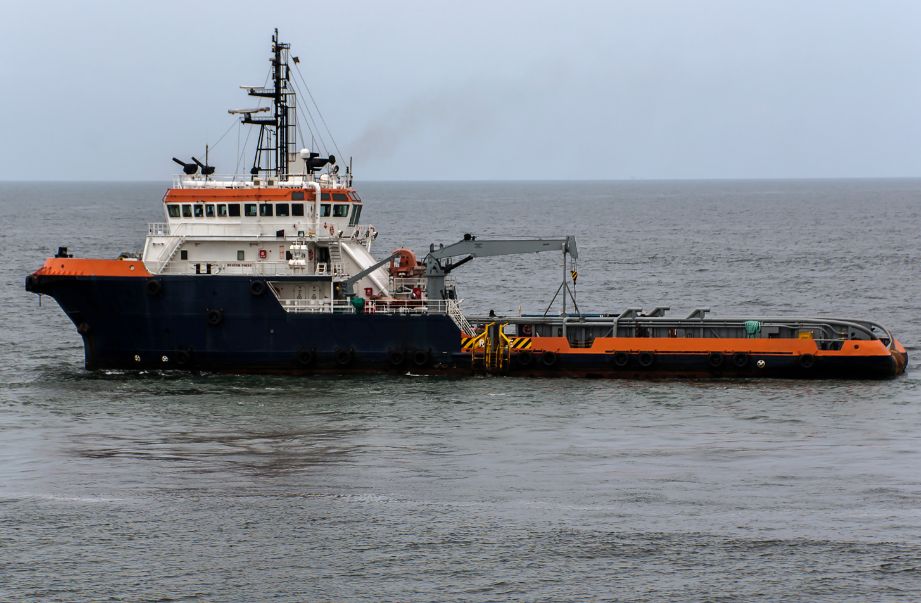
The vital role of dredging and marine construction in strengthening global infrastructure and economic growth demands a skilled workforce capable of handling complex challenges. Professionals in this field demonstrate a proactive, hands-on mindset and the readiness to take on projects wherever they arise. Their dedication and diversity are reflected in the industry’s strong employee retention, as many discover the rewarding experience of contributing to major marine and coastal development projects. Over time, individuals in this sector realize the excitement and purpose that come with shaping the foundation of significant maritime infrastructure across the world.
CONSTRUCTION
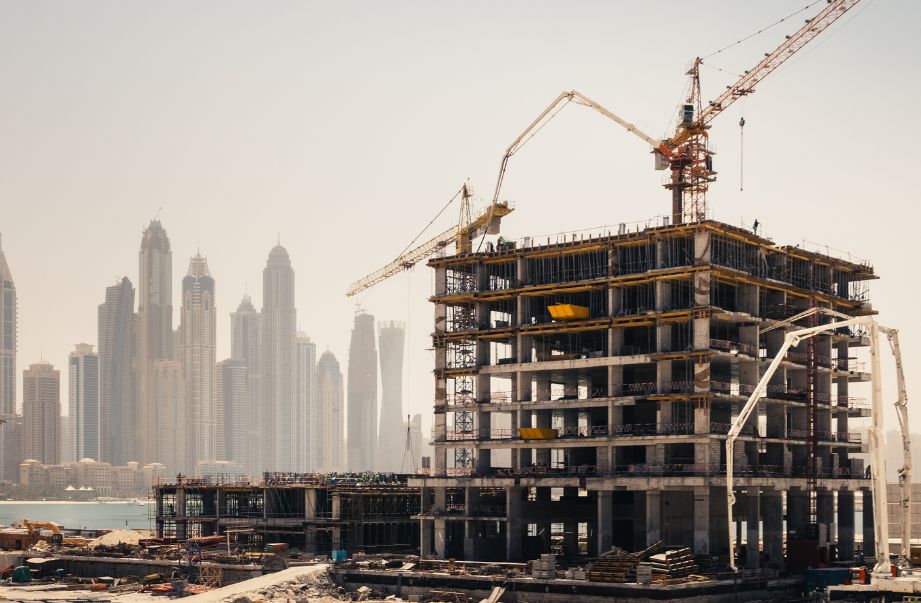
The construction sector is one of the world’s largest employment generators, offering more than 100 million jobs across the globe. It plays a major role in the international economy, contributing about 6% to the global GDP. Its economic influence is even more striking when viewed regionally, accounting for nearly 5% of GDP in developed countries and around 8% in emerging markets. Beyond driving economic progress, construction helps shape modern society. The industry spans everything from housing and commercial buildings to major infrastructure projects, creating a broad chain of activity that supports countless related fields and stimulates long term growth and development.

RETAIL
The International Labour Organization reports that nearly 142 million people are employed in the fast-growing retail sector across developing nations. As one of the most consistent contributors to national job markets, retail typically accounts for 10 to 15 percent of total employment in many countries. The industry itself is a diverse ecosystem, spanning everything from small neighborhood shops to major global brands. Beyond offering wide employment opportunities, retail plays a crucial role in connecting producers with consumers, creating a strong network of economic activity and interdependence.

HOSPITALITY & RESTAURANT
Did you know that nearly one out of every ten people worldwide works in the vibrant hospitality sector? Bringing together the travel, tourism, and hotel industries, hospitality remains one of the most influential pillars of global employment. This wide-ranging field offers opportunities for every skill level, from entry-level workers to highly trained professionals. Beyond creating millions of jobs, the hospitality industry fuels economic growth by boosting local businesses, raising income levels, and improving overall living standards. Its influence also encourages greater investment and drives the development of essential infrastructure in communities around the world.

HEALTH CARE
Recent data shows a clear shift in behavior, with nearly 72 percent of internet users now turning to online sources for health related information. This rise in digital health searches underscores how important the internet has become for medical guidance and awareness. The healthcare industry itself is on a strong upward trajectory. Employment in healthcare roles is expected to grow by around 13 percent between 2021 and 2031, far faster than the average across all fields. This rapid expansion could create close to 2 million new job openings in the coming years, reinforcing healthcare as one of the most promising and fast growing sectors globally.

AVIATION
The aviation industry plays a powerful role in the global economy, generating far more than air travel alone. It supports an extensive web of employment, with an estimated 87.7 million jobs connected to aviation across the world. These opportunities span direct roles within airlines, airports, and aircraft manufacturing, as well as countless positions supported through supply chains, employee spending, and aviation-driven tourism. On its own, the industry employs around 11.3 million people, demonstrating its strong direct contribution to the workforce. Beyond that, aviation-linked businesses and suppliers create another 18.1 million jobs. The sector’s economic ripple effect goes even further, producing an additional 13.5 million induced jobs, forming a broad ecosystem that fuels livelihoods and development globally.

INFORMATION TECHNOLOGY
Amid ongoing developmental hurdles and economic uncertainty, many nations are turning to new strategies to boost growth and generate sustainable employment. Leading this shift is the Information Technology (IT) sector, widely regarded as one of the fastest expanding and most influential industries today. IT has become a powerful engine for innovation, driving meaningful progress across multiple fields. With opportunities spanning software development, cybersecurity, data science, and artificial intelligence, the IT sector not only fuels large scale job creation but also shapes the technologies and solutions that define the future of businesses and communities worldwide. As digital transformation accelerates globally, the demand for highly skilled IT professionals continues to rise at an unprecedented pace.

AUTOMOBILE
The automotive industry remains one of the strongest pillars of global manufacturing employment, significantly shaping workforce trends across the world. According to the UNIDO Industrial Statistics Database, jobs in the “Motor vehicles, trailers, and semi-trailers” sector have risen by an impressive 35 percent since the global recession, highlighting the sector’s resilience and long term economic importance. Beyond direct employment in vehicle production, the automotive ecosystem supports a vast network of related jobs. Its extensive supply chain triggers widespread economic activity, generating opportunities for raw material suppliers, parts and component manufacturers, logistics companies, service providers, and many more. This interconnected structure ensures that growth within the automotive industry drives job creation across multiple supporting sectors.
LOGISTICS & TRANSPORT
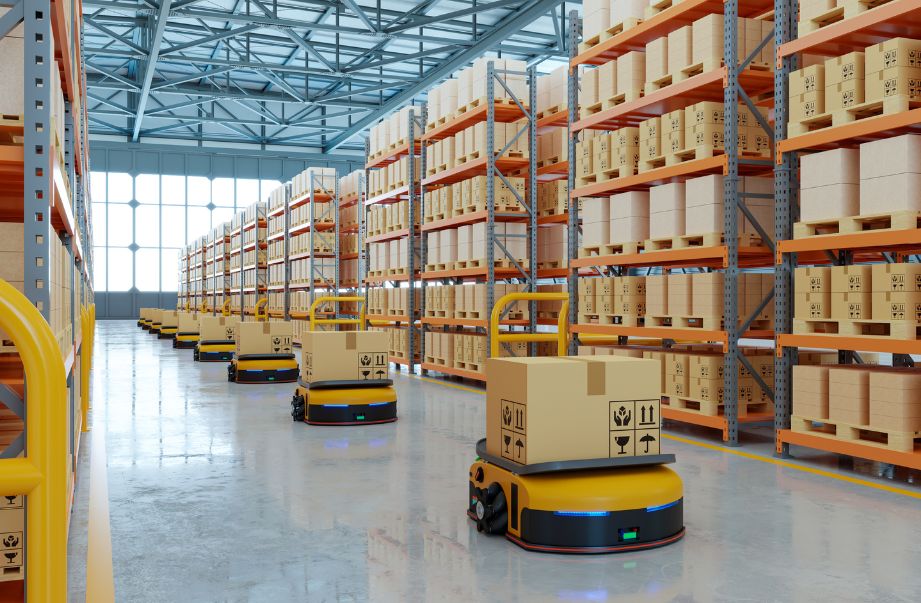
The logistics industry is undergoing remarkable growth, opening the door to a wave of new employment opportunities. According to projections from the Irish Exporters Association, the freight transport, distribution, and logistics sector will require an additional 15,000 skilled workers by 2030. This expansion will enhance an already strong workforce of approximately 50,000 professionals. Several key factors are fueling this rising demand, including the continuous expansion of global trade, the rapid growth of e commerce, and the increasing complexity of modern supply chains. As companies broaden their international reach and adopt more advanced logistics strategies, the need for skilled talent in this sector continues to rise. This surge in demand presents an excellent opportunity for qualified candidates to build rewarding careers in a dynamic and evolving industry.